24/7 Nights & Weekends (256) - 534 - 3435


24/7 Nights & Weekends (256) - 534 - 3435




If overwhelming debt, creditor calls, wage garnishment, foreclosure or the threat of vehicle repossession is making it difficult to move forward, Ferguson & Ferguson can help you understand your legal options. Our Huntsville bankruptcy lawyers represent individuals and families throughout North Alabama in Chapter 7 and Chapter 13 bankruptcy cases. We provide straightforward guidance, personal attention and practical debt-relief solutions designed around your financial circumstances. Contact our Huntsville office at 256-534-3435 to schedule a consultation.
Do you have more bills than you can pay? Are creditors ringing your phone off the hook day and night? Do you have credit card debt and medical bills you can’t pay? Is a lender threatening to foreclose on your home or other real property or threatening to repossess your car? Are you considering bankruptcy but don’t know where to start? We understand what you are going through, and we are here to help.
From January 1, 2021, through August 30, 2021, Alabama had the highest bankruptcy rate per consumer, at 0.14, which is equivalent to 14 bankruptcies for every 100 residents. Alabama significantly leads all other states for the average number of bankruptcy filings per consumer. Further, the average credit score here is the third-lowest among all states analyzed. Contributing factors could be that Alabama is the state with the seventh highest level of poverty, according to the U.S. Department of Agriculture. The state also has one of the lowest personal income levels in the country (ranked 48th), according to the U.S. Bureau of Economic Analysis. Alabama consumers average $72,062 in personal debt and an average FICO score of 691. Among the 10 states with the most bankruptcy filings, more than half are located in the South (Alabama, Arkansas, Georgia, Kentucky, Mississippi, and Tennessee).
The higher debt load doesn’t necessarily translate to higher bankruptcy rates. Some states with the highest average debt loads had the lowest number of bankruptcy filings. Washington, D.C. consumers have an average debt of $158,771 per person on average—but its bankruptcy rate is third lowest, at just 0.03%. This is most likely because they are areas with a high cost of living but higher salaries.
From January to July 2021, almost 249,329 people filed for bankruptcy. The states with the most bankruptcy filings were:
But the numbers are much different on a per-capita basis. From January to July 2021, the states with the most filings per 1,000 residents were:
Chapter 7 bankruptcy is often referred to as a “fresh start” bankruptcy. It is called that because most (but not all) unsecured debts are discharged (i.e., eliminated), such as credit card debt, phone bills, utility bills, medical bills, and unsecured loans.
The United States Bankruptcy Code sets the qualifications for who can file a Chapter 7 bankruptcy. They are:
Step 1: Consultation
Step 2: Bring in Paperwork
Step 3: Review & Sign
Step 4: 341 Meeting
Step 5: Discharge
Chapter 13 bankruptcy is sometimes referred to as a “repayment” or “reorganization” plan because debtors pay some or all of their unsecured debts (interest-free) over a 3-5 year plan. Your payment is based on what you can afford to pay (income minus expenses). The debtor must have the ability to make a payment on a bankruptcy plan.
Step 1: Consultation
Step 2: Review & Sign
Step 3: Review & Sign
Step 4: 341 Meeting
Step 5: Confirmation Hearing
Step 6: Discharge
Bankruptcy can eliminate many unsecured debts, including credit card balances, medical bills, personal loans, utility bills, and collection accounts. Some obligations, including child support, alimony, most student loans, and certain tax debts, generally cannot be discharged.
Chapter 7 allows eligible individuals to eliminate many qualifying unsecured debts. Chapter 13 creates a court-approved repayment plan that generally lasts three to five years and may help debtors catch up on secured obligations while protecting important property.
Chapter 7 eligibility depends on factors such as household income, allowable expenses, family size, prior bankruptcy filings, and the Chapter 7 means test. A bankruptcy attorney can review your financial circumstances and explain whether Chapter 7 may be available.
The means test compares household income and permitted expenses under bankruptcy rules to determine whether a person is eligible to file Chapter 7 or whether additional calculations are required.
The automatic stay generally takes effect when a bankruptcy case is filed. It ordinarily prevents creditors from continuing collection calls, letters, lawsuits, garnishments, and many other collection activities while the stay remains in effect.
In many cases, the automatic stay stops an ongoing wage garnishment after the bankruptcy petition is filed. Certain obligations, such as some domestic-support debts, may be treated differently.
Filing bankruptcy may temporarily stop a foreclosure through the automatic stay. Chapter 13 may allow an eligible homeowner to catch up on missed mortgage payments through a repayment plan, depending on the circumstances.
Bankruptcy may temporarily stop a pending vehicle repossession. Available options depend on whether the vehicle has already been repossessed, the type of bankruptcy filed, the loan balance, and the debtor’s ability to make future payments.
Many uncomplicated Chapter 7 cases are completed within approximately three to six months. Timing can vary based on the facts, court schedules, requested documents, and any objections or disputes.
A Chapter 13 repayment plan generally lasts three to five years. The required plan term depends on factors including income, expenses, debts, and applicable bankruptcy requirements.
Most bankruptcy filers do not lose all of their property. Bankruptcy exemptions may protect equity in certain assets. What a person can keep depends on the type and value of the property, available exemptions, and the chapter filed.
Many people keep their homes during bankruptcy. The result depends on the home’s equity, available exemptions, mortgage status, ability to make payments, and whether Chapter 7 or Chapter 13 is filed.
Many debtors keep their vehicles after filing bankruptcy. Available options depend on vehicle equity, exemptions, loan status, payment ability, and the bankruptcy chapter selected.
Bankruptcy affects a credit report, but the effect is not necessarily permanent. Many people begin rebuilding credit after discharge by paying new obligations on time, keeping balances manageable, and monitoring their credit reports.
Medical bills are generally unsecured debts and may often be discharged in Chapter 7 or included in a Chapter 13 repayment plan, subject to the facts of the case.
Qualifying credit card balances can generally be discharged in Chapter 7 or addressed through a Chapter 13 repayment plan. Debts involving fraud, recent luxury purchases, or certain cash advances may receive different treatment.
Most student loans are not automatically discharged in bankruptcy. A debtor generally must file a separate proceeding and prove the legal standard required for an undue-hardship discharge.
Some older income-tax debts may qualify for discharge when detailed timing and filing requirements are satisfied. Other tax obligations, including many recent taxes and trust-fund taxes, generally cannot be discharged.
A married person may file an individual bankruptcy case without the spouse filing. However, the non-filing spouse’s income, jointly owned property, and joint debts may still affect the case.
A debtor’s bankruptcy discharge generally does not eliminate a cosigner’s responsibility for a joint debt. Chapter 13 may provide a temporary codebtor stay for certain consumer debts while the case remains active.
The 341 meeting is a required proceeding at which the bankruptcy trustee asks the debtor questions under oath about the petition, assets, debts, income, and financial affairs. Creditors may attend, although many do not.
Every debtor must ordinarily participate in a 341 meeting of creditors. Additional court appearances may be necessary in Chapter 13 cases or when a motion, objection, or disputed matter requires a hearing.
A person may be able to file another bankruptcy case, but the waiting period for receiving another discharge depends on the chapters involved, the dates of prior filings, and how prior cases ended.
Individuals are legally permitted to file without an attorney, but bankruptcy involves detailed eligibility rules, exemptions, forms, deadlines, and court procedures. Legal representation can help identify risks and ensure the case is properly prepared.
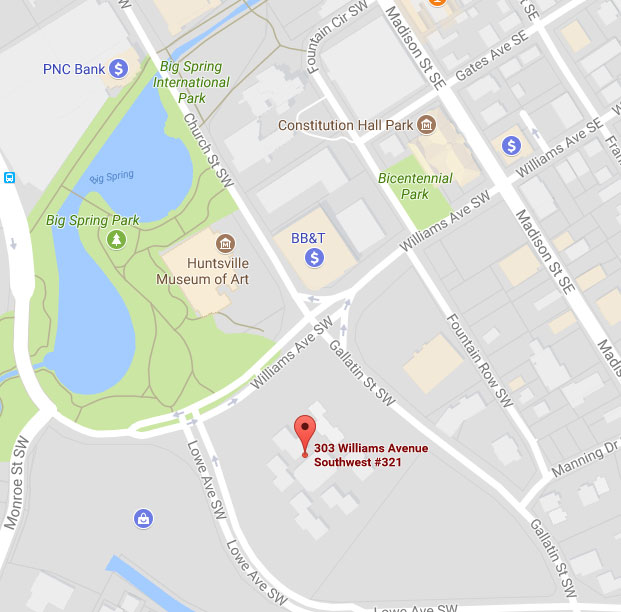
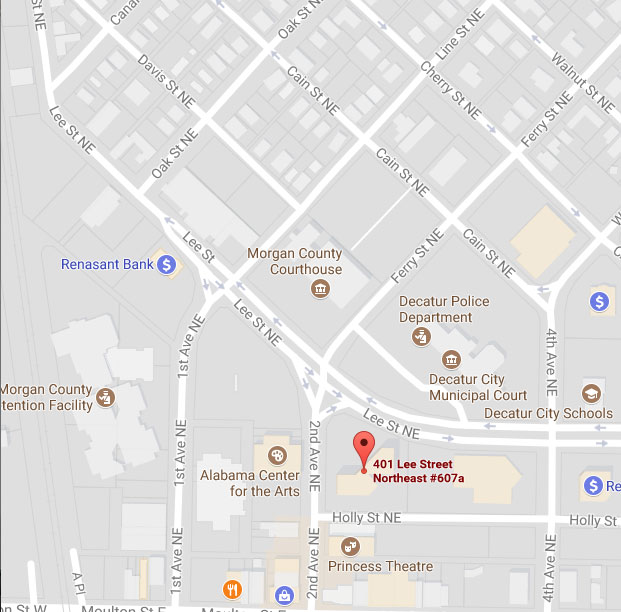
Ferguson & Ferguson offers a no-obligation initial consultation to discuss bankruptcy and debt-relief options. The firm has offices in Huntsville and Decatur, Alabama. Call the Huntsville office at (256) 534-3435 or the Decatur office at (256) 350-7200.
We understand that having to file bankruptcy can be overwhelming, and we are with you every step of the way in your case.
The law offices of Ferguson and Ferguson takes pride in giving each client individual and personal attention.
You deal with attorneys not secretaries.
We keep our clients informed of the status of their case.
We are committed to excellent client service.
We help our clients with their medical, vehicle repair or replacement, rental car and other bills.
We care about our clients, and have patience.
We make sure that our clients understand each step of their case.
Free phone consultation 7 a.m. To 7 p.m. and saturdays.
We have great compassion for the physical, emotional, and financial problems that our clients suffered.
Free office consultation as late as 7 p.m. and saturdays also locations near you.
We will do everything possible to get you through your difficult time.
We answer all our clients calls, or return them promptly.
We only win if our clients win. Our clients pay nothing until we recover money for them.
We offer no obligation free consultations on all cases.
Meet with local attorneys not paralegals.

Randy W. Ferguson has dedicated his practice to providing accident and injury victims and their families with the highest quality personal service in his quest to make them whole.
Learn More
Jackie Ferguson Graham focuses on assisting clients in Decatur, Athens, Scottsboro, Moulton and Huntsville in bankruptcy matters.
Learn More303 Williams Avenue SW, Suite 321
Huntsville, Alabama 35801