

NON-DISCHARGEABLE DEBTS IN BANKRUPTCY
Bankruptcy allows you to eliminate credit card debt, medical bills, repossessions, and personal loans but there are certain debts that the bankruptcy code exempts from discharge. Section 523 of the Bankruptcy lists debts that you will still be responsible for even after bankruptcy. These debts are considered non-dischargeable mainly due to public policy reasons. If you file for Chapter 7 bankruptcy you will be responsible for repaying these debts even after your bankruptcy discharge. In Chapter 13 you may either be responsible for repaying these debts after your Chapter 13 plan or you may be required to repay all of the non-dischargeable debt as part of the Chapter 13 plan if the debt is a priority debt.
Debts that are considered non-dischargeable include:
1. Taxes
2. Debt resulting from False pretenses, fraud, and false misrepresentation.
3. Debts not listed or scheduledin bankruptcy case, which did not allow creditor sufficient time to file a proof of claim.
4. Debts for fraud in a fiduciary capacity, embezzlement, or larceny
5. Child Support or Alimony
6. Fine, penalty or forfeiture that is owed to the government
7. Debt or judgment resulting the death or personal injury of a person involving the operation of a motor vehicle while intoxicated.
8. Restitution that is part of criminal sentence
9. Debt incurred to pay taxes that where not dischargeable
10. Home owner association fees that accrue after the filing of your bankruptcy case and before the home is foreclosed.
11. Debts owed to a former spouse or child as part of divorce or separation.
12. Student Loans
13. Condominium or cooperative housing fees
In some cases the creditor will be required to take some action in order for the debt not to be discharged as part of your bankruptcy. Some debts are considered generally never dischargeable as part of a bankruptcy case and other debts may qualify for discharge if they meet certain specific requirements.
What Happens to Debts That Are Not Discharged in Bankruptcy?
If your debt is not discharged as part of your bankruptcy case then you will still be legally responsible for repaying the debt to the creditor. After your bankruptcy case, you can try to work out a payment arrangement or settlement with any creditor whose debt was not discharged as part of your bankruptcy case. If you fail to take any action to resolve the non-dischargeable debt then the creditor will have a right to seek collection against you including filing a lawsuit in court, garnishment of wages, and levying against a bank account.
If the debt is not dischargeable and is a priority debt in your Chapter 13 plan, then you will be required to pay the debt in full as part of your Chapter 13 bankruptcy plan. Generally, income taxes and child support and alimony payments are considered priority debts that must be repaid in full as part of your Chapter 13 bankruptcy case.
Frequently Asked Questions About Non-Dischargeable Debts in Alabama
Bankruptcy can eliminate many unsecured obligations, but not every debt is covered by a discharge. The treatment of taxes, student loans, domestic support obligations, fraud-related debts, criminal obligations and other claims depends on the bankruptcy chapter and the facts of the case.
1. What is a non-dischargeable debt?
A non-dischargeable debt is an obligation that is not eliminated by the bankruptcy discharge. The debtor generally remains legally responsible for the debt after the bankruptcy case.
2. Are all debts discharged in bankruptcy?
No. Federal bankruptcy law excepts several categories of debt from discharge. The applicable exceptions depend on the bankruptcy chapter, the nature of the debt and whether a creditor must obtain a court determination.
3. What debts commonly survive Chapter 7 bankruptcy?
Common examples include domestic support obligations, many student loans, certain taxes, criminal fines and restitution, some fraud-related debts, debts for willful and malicious injury and intoxicated-driving injury obligations.
4. Are the same debts non-dischargeable in Chapter 7 and Chapter 13?
Not always. A completed Chapter 13 plan may provide a somewhat broader discharge than Chapter 7, although many important obligations remain non-dischargeable in both chapters.
5. Can income tax debt be discharged in bankruptcy?
Some older income tax obligations may qualify for discharge when detailed timing, return-filing and fraud requirements are satisfied. Recent taxes, trust-fund taxes, fraudulent returns and taxes willfully evaded are generally treated differently.
6. Are tax liens removed by a bankruptcy discharge?
Not necessarily. Bankruptcy may eliminate personal liability for a qualifying tax debt without automatically removing a valid tax lien from property.
7. Can student loans be discharged in bankruptcy?
Student loans are generally not discharged through the ordinary bankruptcy process. A debtor usually must file a separate adversary proceeding and establish the applicable undue-hardship standard.
8. Can child support be discharged in bankruptcy?
No. Child support is a domestic support obligation and is generally not dischargeable in Chapter 7 or Chapter 13 bankruptcy.
9. Can alimony be discharged in bankruptcy?
Alimony and maintenance obligations that qualify as domestic support obligations are generally not dischargeable.
10. Are divorce property-settlement debts dischargeable?
A non-support divorce obligation owed to a spouse, former spouse or child is generally not dischargeable in Chapter 7. Treatment may differ after successful completion of a Chapter 13 plan.
11. Are debts obtained through fraud dischargeable?
A debt obtained through false pretenses, false representation or actual fraud may be excepted from discharge. The creditor generally must file a timely adversary proceeding and prove the required elements.
12. What is a bankruptcy adversary proceeding?
An adversary proceeding is a lawsuit filed within the bankruptcy case. A creditor may use it to ask the court to determine that a particular debt is non-dischargeable.
13. Are debts caused by embezzlement or fiduciary fraud dischargeable?
Debts arising from fraud or defalcation while acting in a fiduciary capacity, embezzlement or larceny may be excepted from discharge after the required bankruptcy-court proceeding.
14. Are debts for willful and malicious injury dischargeable?
A debt for willful and malicious injury to another person or property may be non-dischargeable. The result depends on the bankruptcy chapter and the court’s findings.
15. Can criminal fines and restitution be discharged?
Many criminal fines, penalties and restitution obligations are not dischargeable in bankruptcy.
16. Are debts from a drunk-driving accident dischargeable?
A debt for death or personal injury caused by operating a motor vehicle, vessel or aircraft while unlawfully intoxicated is generally not dischargeable.
17. What happens if I forget to list a creditor?
The treatment of an omitted debt depends on the bankruptcy chapter, whether assets were available, whether the creditor had notice and whether the creditor lost the opportunity to protect its rights. Every known creditor should be listed.
18. Are homeowners association fees discharged in bankruptcy?
Pre-filing association debt may be treated differently from fees that arise after filing. Post-filing condominium, cooperative or homeowners association fees may remain the debtor’s responsibility while the debtor or trustee retains a qualifying ownership interest.
19. What happens after bankruptcy if a debt is not discharged?
The debtor remains responsible for the debt. After the bankruptcy stay and other protections end, the creditor may resume lawful collection activity, including payment demands, lawsuits and garnishment.
20. Must non-dischargeable debts be paid through Chapter 13?
Priority debts such as domestic support obligations and certain taxes generally must receive the treatment required by bankruptcy law in the Chapter 13 plan. Other surviving debts may remain payable after plan completion.
21. Can a creditor collect a non-dischargeable debt during bankruptcy?
The automatic stay generally restricts collection while the bankruptcy case is pending, even when the debt may ultimately survive discharge. Exceptions and court-authorized relief may apply.
22. Can I negotiate a non-dischargeable debt after bankruptcy?
Possibly. Depending on the creditor and type of debt, the debtor may seek a payment arrangement, administrative repayment program or negotiated settlement after bankruptcy.
23. Can one debt be partly dischargeable and partly non-dischargeable?
Yes. A court may determine that only part of an obligation falls within an exception to discharge, depending on the facts and applicable law.
24. How do I know whether my debt will be discharged?
Dischargeability depends on the debt’s origin, dates, documentation, bankruptcy chapter, creditor notice and whether litigation is required. A bankruptcy attorney can review the debt before filing.
25. How can Ferguson & Ferguson help with non-dischargeable debts?
Ferguson & Ferguson can classify debts, compare Chapter 7 and Chapter 13 treatment, evaluate tax and student loan issues, review domestic support and divorce obligations, and advise clients concerning creditor objections and adversary proceedings. Call the Huntsville office at 256-534-3435 or the Decatur office at 256-350-7200 to schedule a free consultation.
Free Bankruptcy Consultation
If you are uncertain as to whether your debt qualifies to be discharged as part of your bankruptcy, please contact our law offices as we will review your debt to determine if it qualifies for discharge. Call now for a no obligation, free consultation with one of our Decatur or Huntsville bankruptcy attorneys. Call now 256-534-3435 or 1-800-752-1998.
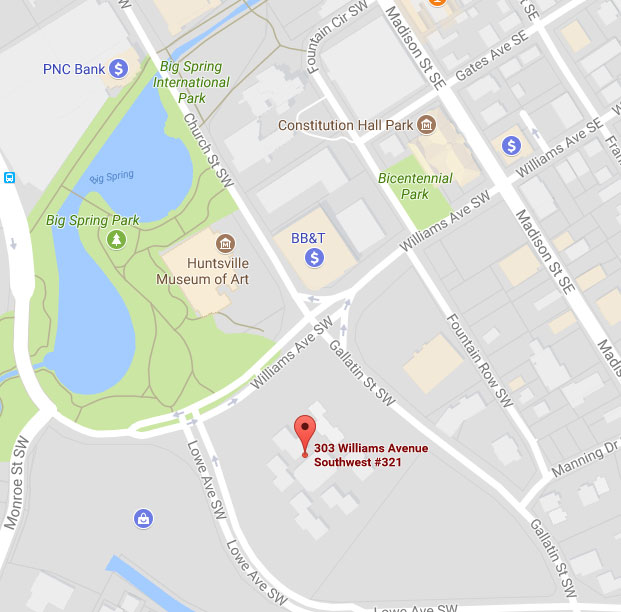
Huntsville Office Location:
303 Williams Avenue SW
Suite 321
Huntsville, AL 35801
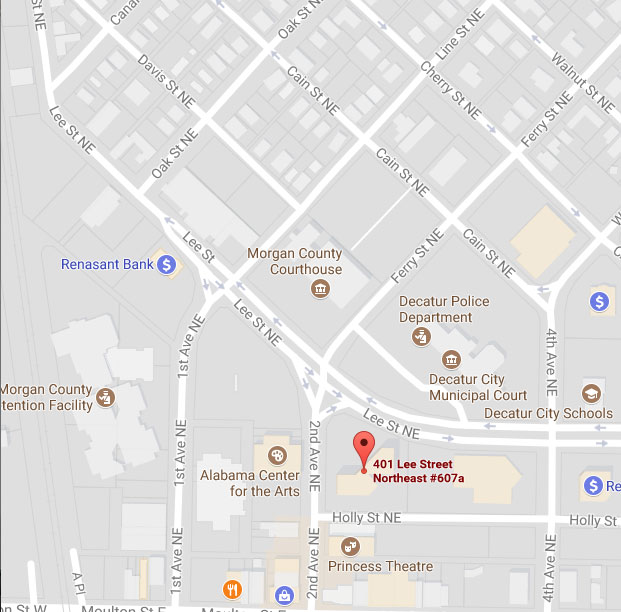
Decatur Office Location:
211 Oak Street
Decatur, AL 35601