

Credit Card Debt in a Chapter 7 Bankruptcy
Do you have credit card debt that you are unable to pay? Are creditors calling you day and night? For most people, the constant harassment from debt collectors is what leads them to consider bankruptcy relief. As with residents in other states, Alabama residents have large amounts of debt in many forms. It’s no surprise, then, that the average Alabama resident carries thousands of dollars in credit card debt. Credit card debt is the most common type of debt in America and is one of the biggest reasons why most people think about filing for Chapter 7 bankruptcy.
Credit card debt is referred to as unsecured debt. Chapter 7 bankruptcy is designed to quickly eliminate all of your credit card debt. In Chapter 7 bankruptcy, debtors are usually able to discharge all credit card debts. Generally, credit card debts are treated like other unsecured claims in Chapter 7 cases. In most cases, your obligation to pay the balance will be discharged upon successful completion of your bankruptcy case.
Cosigners on Credit Card Debt
When you file a Chapter 7 bankruptcy, only you are discharged. Chapter 7 does not protect guarantors or cosigners. If anyone else is liable for charges that you made on a credit card, they will still be liable after you file Chapter 7 bankruptcy, regardless of whether the claim is dischargeable against you.
Credit Card Fraud
The following circumstances can cause credit card companies to challenge your discharge:
- Increase in credit card usage shortly before filing bankruptcy
- Lied on credit card application
- Newly issued credit card
- Large cash advances in months before filing bankruptcy
- Use of credit card for recent travel or vacations
- Pattern of borrowing on one card to make payments on other cards>/li>
- Exceeding credit limit
- Using credit card when unemployed
- Large balance at filing
- Purchase of luxury goods before filing bankruptcy
- Charges made after consulting bankruptcy lawyer
Frequently Asked Questions About Credit Card Debt and Bankruptcy in Alabama
Credit card debt is generally unsecured debt that may qualify for discharge in bankruptcy. However, recent charges, cash advances, luxury purchases, cosigners and allegations of fraud can affect how a particular account is treated.
1. Can credit card debt be discharged in bankruptcy?
Credit card debt is generally unsecured debt and may often be discharged in bankruptcy. Exceptions may apply when the debt was obtained through fraud, false pretenses, false representations or other conduct covered by bankruptcy law.
2. Can Chapter 7 eliminate credit card debt?
Chapter 7 may eliminate personal liability for qualifying credit card balances after the debtor successfully completes the case and receives a discharge.
3. How is credit card debt treated in Chapter 13?
Credit card debt is generally treated as nonpriority unsecured debt in Chapter 13. The amount paid depends on income, expenses, assets, plan requirements and other circumstances. A qualifying unpaid balance may be discharged after plan completion.
4. Do I have to list every credit card in bankruptcy?
Yes. A debtor must disclose all creditors and credit card accounts in the bankruptcy documents, including cards with small balances, closed accounts and accounts the debtor may prefer to keep.
5. Can I keep one credit card out of my bankruptcy?
A debtor generally cannot omit a creditor simply because the debtor wants to keep the account. All debts and creditors must be disclosed accurately.
6. Will my credit card accounts be closed after I file bankruptcy?
Credit card issuers commonly close or suspend accounts after learning of a bankruptcy filing, including accounts that have no balance.
7. Should I continue paying credit cards before filing bankruptcy?
Whether payments should continue depends on the anticipated filing, budget, account activity and other circumstances. A person considering bankruptcy should obtain legal advice before changing payment practices.
8. Can a credit card company challenge my bankruptcy discharge?
Yes. A credit card company may challenge dischargeability when it alleges that debt was obtained through fraud, false pretenses, a false representation or another applicable exception to discharge.
9. Are recent credit card charges dischargeable?
Recent charges are not automatically nondischargeable in every case, but their timing, amount, purpose and the debtor’s intent may be closely reviewed. Certain recent luxury purchases may be subject to a statutory presumption.
10. Are cash advances taken before bankruptcy dischargeable?
Cash advances may be challenged based on their timing, amount and surrounding circumstances. Certain cash advances taken shortly before bankruptcy may be presumed nondischargeable under federal bankruptcy law.
11. What are luxury purchases in bankruptcy?
Luxury purchases generally involve goods or services that are not reasonably necessary for the support or maintenance of the debtor or the debtor’s dependents. The determination depends on the facts of the purchase.
12. Can credit card debt be denied discharge because of fraud?
Yes. Debt obtained through false pretenses, false representations or actual fraud may be declared nondischargeable if the creditor proves the required legal elements.
13. Does using a credit card after speaking with a bankruptcy lawyer create a problem?
Continuing to incur credit card debt after deciding to file bankruptcy may create serious dischargeability concerns, especially when the debtor lacked a reasonable intent or ability to repay the charges.
14. Can balance transfers before bankruptcy be challenged?
Balance transfers may be examined along with other recent account activity. The timing, amount, reason for the transfer and intent to repay may affect whether a creditor raises an objection.
15. Can using one credit card to pay another cause problems?
A pattern of using one credit account to pay another may be reviewed as evidence of financial distress and may become relevant if a creditor alleges that charges were incurred without an intent to repay.
16. What happens to a cosigner on credit card debt if I file Chapter 7?
A Chapter 7 discharge generally protects only the debtor who filed. A non-filing cosigner, guarantor or joint account holder may remain responsible for the debt.
17. Does Chapter 13 protect a credit card cosigner?
Chapter 13 may provide a temporary codebtor stay for certain consumer debts. The protection is limited, and a creditor may seek permission to proceed against the cosigner in some circumstances.
18. Can bankruptcy stop credit card collection calls?
Filing bankruptcy generally creates an automatic stay that stops most collection calls and letters concerning qualifying pre-bankruptcy credit card debt.
19. Can bankruptcy stop a credit card lawsuit?
The automatic stay generally stops the filing or continuation of a lawsuit seeking to collect qualifying credit card debt after the bankruptcy case is filed.
20. Can bankruptcy stop a credit card wage garnishment?
Filing bankruptcy generally stops an ongoing wage garnishment for qualifying credit card debt. The creditor, collection attorney and payroll department should receive prompt notice of the filing.
21. Does bankruptcy erase a credit card judgment?
Bankruptcy may discharge personal liability for a qualifying credit card judgment. A judgment lien recorded against property may require separate analysis and is not necessarily eliminated automatically.
22. Will bankruptcy remove credit card debt from my credit report?
Bankruptcy does not automatically delete accurate account history. Credit card accounts should generally be reported consistently with the bankruptcy, including a discharged status and no improper personal balance due.
23. Can I get another credit card after bankruptcy?
Many debtors receive credit offers after bankruptcy. New credit should be evaluated carefully for interest rates, fees, affordability and its effect on rebuilding credit.
24. Is bankruptcy always the best solution for credit card debt?
No. The appropriate option depends on income, assets, total debt, collection pressure, repayment ability and available alternatives. A bankruptcy attorney can compare Chapter 7, Chapter 13 and non-bankruptcy options.
25. How can Ferguson & Ferguson help with credit card debt?
Ferguson & Ferguson can evaluate whether credit card debt may be discharged, determine Chapter 7 or Chapter 13 eligibility, review recent charges and cash advances, respond to creditor objections and help stop qualifying collection activity. Call the Huntsville office at 256-534-3435 or the Decatur office at 256-350-7200 to schedule a consultation.
Free Bankruptcy Consultation
In some cases, bankruptcy might not be the best alternative. If you have already decided to file for bankruptcy, continuing to make credit card payments is usually a waste of money. We understand why people are struggling to pay credit card debt and are tempted to file bankruptcy. If your credit card debt is overwhelming, please call Ferguson & Ferguson today to schedule a free initial consultation with an experienced attorney. Our free consultation makes it easy for you to learn whether bankruptcy is the best solution for you. Call 256-534-3435 to schedule your no obligation, free consultation now.
Huntsville Office Location:
303 Williams Avenue SW
Suite 321
Huntsville, AL 35801
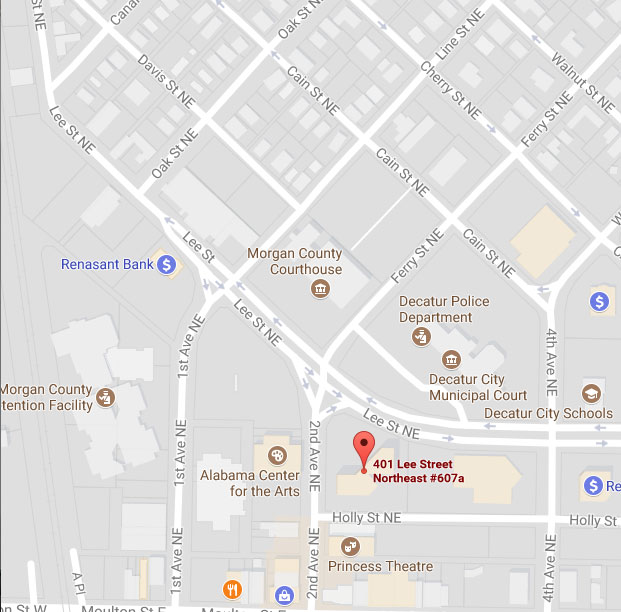
Decatur Office Location:
211 Oak Street
Decatur, AL 35601