

EXPLANATION OF BANKRUPTCY DISCHARGE IN ALABAMA
A court order grants a discharge to the person or persons named as the debtor or debtors. It is not a dismissal of the case, and it does not determine how much money, if any, the trustee will pay to creditors.
Collection of Discharged Debts Prohibited
The discharge prohibits any attempt to collect from the debtor a debt that has been discharged. For example, a creditor is not permitted to contact a debtor by mail, phone, or otherwise to file or continue a lawsuit, to attach wages or other property, or to take any other action to collect a discharged debt from the debtor. [In a case involving community property: There are also special rules that protect certain community property owned by the debtor’s spouse, even if that spouse did not file a bankruptcy case. A creditor who violates this order can be required to pay damages and attorney’s fees to the debtor.
However, a creditor may have the right to enforce a valid lien, such as a mortgage or security interest, against the debtor’s property after the bankruptcy, if that lien was not avoided or eliminated in the bankruptcy case. Also, a debtor may voluntarily pay any debt that has been discharged.
Debts That are Discharged
The chapter 7 discharge order eliminates a debtor's legal obligation to pay a debt that is discharged. Most, but not all, types of debts are discharged if the debt existed on the date the bankruptcy case was filed. (If this case was begun under a different chapter of the Bankruptcy Code as converted to chapter 7, the discharge applies to debts owed when the bankruptcy case was converted.)
Debts That are Not Discharged in Bankruptcy
Some of the common types of debts that are not discharged in a chapter 7 bankruptcy case are
-
Debts for most taxes;
-
Debts incurred to pay non-dischargeable taxes;
-
Debts that are domestic support obligations;
-
Debts for most student loans
-
Debts for most fines, penalties, forfeitures, or criminal restitution obligations;
-
Debts for personal injuries or death caused by the debtor’s operation of a motor vehicle, vessel, or aircraft while intoxicated;
-
Some debts, which were not properly listed by the debtor;
-
Debts that the bankruptcy court specifically has decided or will decide in this bankruptcy case are not discharged.
-
Debts for which the debtor has given up the discharge protections by signing a reaffirmation agreement in compliance with the Bankruptcy Code requirements for reaffirmation of debts; and
-
Debts owed to certain pension, profit sharing, stock bonus, or other retirement plans or to the Thrift Savings Plan for federal employees for certain types of loans from these plans.
Frequently Asked Questions About Bankruptcy Discharge in Alabama
A bankruptcy discharge can eliminate personal liability for many debts, but not every debt qualifies. The answers below explain how Chapter 7 and Chapter 13 discharge work, which debts may survive bankruptcy, and what creditors may do after discharge.
1. What is a bankruptcy discharge?
A bankruptcy discharge is a court order that eliminates a debtor’s personal legal obligation to pay qualifying debts. It also prohibits creditors from attempting to collect debts that were discharged.
2. Is a bankruptcy discharge the same as dismissal of the case?
No. A discharge eliminates personal liability for qualifying debts, while dismissal ends the bankruptcy case without granting the requested bankruptcy relief. A discharge also does not necessarily mean that every administrative matter in the case is finished.
3. What debts are commonly discharged in Chapter 7 bankruptcy?
Common dischargeable debts may include credit-card balances, medical bills, personal loans, old utility bills, certain judgments and deficiency balances. Whether a particular debt is discharged depends on the facts and applicable bankruptcy law.
4. Are all debts discharged in bankruptcy?
No. Bankruptcy law excludes certain categories of debts from discharge. Some debts survive automatically, while others may be declared nondischargeable after a creditor files and successfully proves a case in bankruptcy court.
5. Are tax debts discharged in bankruptcy?
Some older income-tax debts may qualify for discharge when specific requirements are met. Recent taxes, trust-fund taxes, tax liens and certain other tax obligations generally receive different treatment.
6. Are student loans discharged in bankruptcy?
Most student loans are not discharged through the ordinary bankruptcy process. A debtor generally must bring a separate proceeding and establish the legal requirements for discharge.
7. Are child support and alimony discharged in bankruptcy?
Domestic support obligations, including child support and alimony, are generally not dischargeable in bankruptcy.
8. Are criminal fines and restitution discharged?
Most criminal fines, penalties and restitution obligations are not discharged in bankruptcy.
9. Are debts caused by drunk driving discharged?
Debts for death or personal injury caused by the debtor’s unlawful operation of a motor vehicle, vessel or aircraft while intoxicated are generally not dischargeable.
10. What happens to a mortgage or vehicle lien after discharge?
A discharge may eliminate the debtor’s personal liability, but a valid mortgage or vehicle lien may remain attached to the property unless the lien was avoided, satisfied or otherwise eliminated. The creditor may retain rights against the collateral.
11. Can I keep my house or car after receiving a discharge?
Receiving a discharge does not automatically determine whether property may be kept. Retention depends on exemptions, equity, payment status, the type of bankruptcy, the treatment of secured debt and other case-specific factors.
12. What is a reaffirmation agreement?
A reaffirmation agreement is an agreement that may make the debtor personally liable again for a debt that could otherwise be discharged. Reaffirmation agreements must satisfy Bankruptcy Code requirements and should be carefully reviewed before signing.
13. Can I voluntarily repay a discharged debt?
Yes. A debtor may voluntarily repay a discharged debt. A creditor cannot legally pressure or require the debtor to pay a discharged personal liability.
14. What is the discharge injunction?
The discharge injunction is the legal prohibition against attempting to collect a discharged debt as the debtor’s personal liability. It generally replaces the automatic stay for discharged debts after the discharge order is entered.
15. Can a creditor call me after my bankruptcy discharge?
A creditor generally may not call, write, sue, garnish wages or take other action to collect a debt that was discharged as the debtor’s personal liability.
16. What should I do if a creditor tries to collect a discharged debt?
Keep copies of letters, emails, account statements and call records. Give the creditor a copy of the discharge order and bankruptcy case information, and promptly notify your bankruptcy attorney.
17. Can a creditor be penalized for violating the discharge injunction?
A bankruptcy court may enforce the discharge injunction and impose remedies when a creditor improperly attempts to collect a discharged debt. The available relief depends on the facts and the creditor’s knowledge of the discharge.
18. Can a debt be excluded from discharge because of fraud?
Certain debts obtained through fraud, false pretenses, embezzlement, larceny or willful and malicious injury may be declared nondischargeable. A creditor may have to file a timely adversary proceeding and prove the required elements.
19. What happens if I failed to list a creditor in my bankruptcy?
The effect of failing to list a creditor depends on the type of case, whether assets were available for distribution, whether the creditor had notice and the nature of the debt. An omitted debt should be reviewed by a bankruptcy attorney.
20. When is a Chapter 7 discharge usually entered?
In a typical Chapter 7 case, discharge may be entered several months after filing, assuming the debtor completes all requirements and no objection or other issue delays the discharge.
21. When is a Chapter 13 discharge entered?
A Chapter 13 discharge is generally entered after the debtor completes the required repayment plan, satisfies applicable filing requirements and completes any required financial-management course.
22. Can the bankruptcy court deny a discharge?
A Chapter 7 discharge may be denied for reasons such as concealing assets, making false statements, destroying records, disobeying court orders or receiving a prior discharge too recently. Denial of discharge can have serious consequences.
23. Does a bankruptcy discharge remove accurate information from my credit report?
A discharge does not automatically remove accurate bankruptcy or account-history information from a credit report. Discharged accounts should generally be reported consistently with the bankruptcy discharge and should not show an improper ongoing personal balance due.
24. Can I receive another bankruptcy discharge in the future?
Possibly. Bankruptcy law imposes waiting periods based on the chapter of the prior case, the chapter of the new case and whether a discharge was entered previously.
25. How can Ferguson & Ferguson help with a bankruptcy discharge?
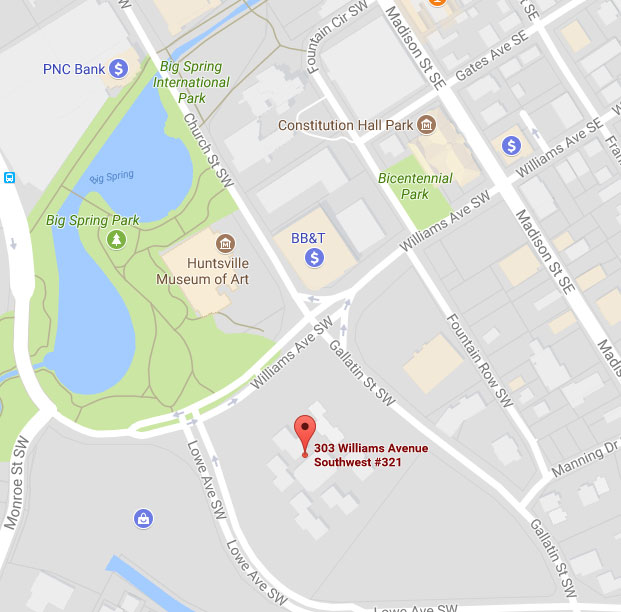
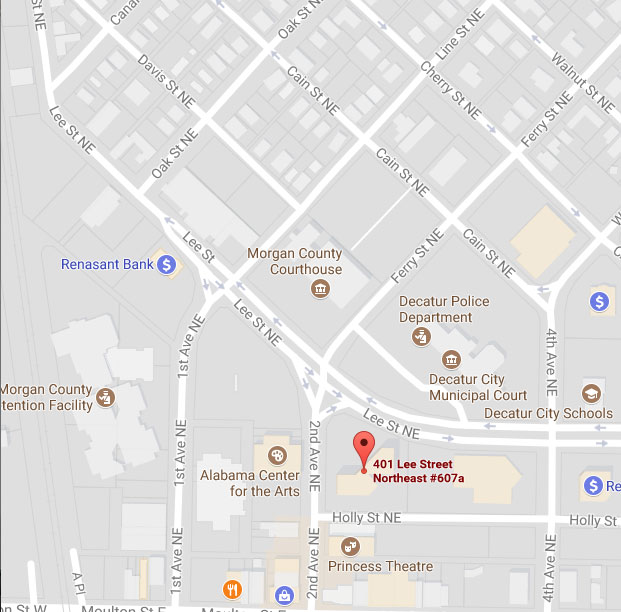
Ferguson & Ferguson can evaluate which debts may be discharged, explain how secured liens and reaffirmation agreements are treated, prepare a Chapter 7 or Chapter 13 case and review creditor collection activity occurring after discharge. Call the Huntsville office at 256-534-3435 or the Decatur office at 256-350-7200 to discuss your options.
This information is only a general summary of the bankruptcy discharge in Alabama. There are exceptions to these general bankruptcy rules. You should consult a Huntsville bankruptcy attorney to determine the exact effect of the discharge in your case. Call Ferguson & Ferguson now to schedule your free consultation. Call 256-534-3435. We are here to help.