

BANKRUPTCY ELIGIBILITY IN ALABAMA
We understand that you have bankruptcy questions that need answers. We are here to answer your questions. We offer free consultations to help answer those questions. The bankruptcy lawyers at Ferguson & Ferguson have extensive bankruptcy experience. Our firm has helped thousands of individuals and small businesses find the debt relief they deserve through bankruptcy protection. During your free consultation, we can evaluate your financial circumstances and let you know which type of bankruptcy you qualify for.
Chapter 7 Bankruptcy
Congress created a threshold about how creditors will be paid in bankruptcy. Our attorneys know how to work through the means test process so you can complete a Chapter 7 bankruptcy without any issues. Chapter 7 bankruptcy is for filers who truly cannot afford to pay their debts. To qualify, a debtor must pass the means test, which is an analysis of income, expenses and total amount of debt. If a debtor has enough disposable income to pay back even a portion of the total debt, that person will need to file for Chapter 13 bankruptcy.
The means test involves a complex formula, and your attorney must have a detailed knowledge about your state’s median income levels. If you are wondering whether you qualify for this type of debt relief, speak with our Huntsville bankruptcy attorneys today.
Chapter 13 Bankruptcy
Chapter 13 bankruptcy allows you to cure a default in your car or house and keep real and personal property. To qualify for Chapter 13 bankruptcy, the debt reorganization plan, an individual must have a source of income and be able to maintain repayment obligations. Further, the debtor’s total unsecured debt and secured debt must fall below a certain dollar amount, which is adjusted periodically for inflation. Also, the debtor must submit proof that he or she filed federal and state income tax returns for the four years prior to filing bankruptcy.
Frequently Asked Questions About Bankruptcy Qualifications in Alabama
Eligibility for bankruptcy depends on more than the total amount of debt you owe. Your income, expenses, household size, assets, types of debt, repayment ability and prior bankruptcy history may all affect whether Chapter 7 or Chapter 13 is appropriate.
1. Who qualifies to file bankruptcy in Alabama?
Bankruptcy eligibility depends on the chapter being considered, the debtor’s income, expenses, debts, assets, prior bankruptcy cases, credit-counseling compliance and other circumstances. An attorney can evaluate whether Chapter 7 or Chapter 13 is available.
2. Do I have to be completely broke to file bankruptcy?
No. A person does not have to be unemployed or have no property to file bankruptcy. Eligibility depends on the applicable bankruptcy chapter and the debtor’s complete financial circumstances.
3. How do I qualify for Chapter 7 bankruptcy in Alabama?
Chapter 7 qualification commonly involves reviewing household income, family size, permitted expenses, disposable income, assets, debts and prior bankruptcy history. Many consumer debtors must complete the bankruptcy means test.
4. What is the Chapter 7 bankruptcy means test?
The means test is a statutory calculation used in many consumer Chapter 7 cases. It compares the debtor’s current monthly income with applicable median-income data and, when required, deducts permitted expenses to evaluate disposable income.
5. Does earning more than Alabama’s median income automatically disqualify me from Chapter 7?
Not necessarily. Income above the applicable median generally requires completion of the remaining means-test calculations. Permitted expenses and other adjustments may still affect the result.
6. Whose income is counted in the bankruptcy means test?
The calculation generally considers income received by the debtor and may include income received by a non-filing spouse, subject to applicable exclusions and adjustments. The precise calculation depends on household and filing circumstances.
7. Does Social Security income count in the means test?
Certain Social Security benefits are generally excluded from the Bankruptcy Code’s current-monthly-income definition, but the income may still be relevant to other parts of the case or the debtor’s budget.
8. Can I qualify for Chapter 7 if I am employed?
Yes. Employment does not automatically prevent a Chapter 7 filing. Eligibility depends on household income, permitted expenses, household size, debts and other financial circumstances.
9. Can I qualify for Chapter 7 if I own a house or car?
Possibly. Owning property does not automatically prevent Chapter 7 eligibility. Equity, exemptions, loan balances, payment status and the trustee’s potential interest in the property must be reviewed.
10. What happens if I do not pass the Chapter 7 means test?
A person who does not qualify for Chapter 7 may be able to file Chapter 13, delay filing if circumstances are changing or consider another debt-relief strategy. The appropriate option depends on the individual case.
11. Who qualifies for Chapter 13 bankruptcy?
Chapter 13 is generally available to an individual with regular income who can propose a feasible repayment plan and meets the applicable Bankruptcy Code requirements.
12. What does regular income mean for Chapter 13?
Regular income means income that is sufficiently stable and predictable to support a Chapter 13 plan. It may come from employment, self-employment, retirement, benefits or other reliable sources.
13. Can a self-employed person file Chapter 13?
Yes. A self-employed individual may qualify for Chapter 13 if the person has sufficiently regular income, maintains adequate financial records and can propose a feasible repayment plan.
14. Can a business file Chapter 13 bankruptcy?
Chapter 13 is generally limited to individuals. A sole proprietor may sometimes address personal and business-related debts through Chapter 13, but a corporation or limited liability company ordinarily cannot be a Chapter 13 debtor.
15. Are there debt limits for Chapter 13 bankruptcy?
Chapter 13 eligibility is subject to debt requirements established by federal bankruptcy law. Because the applicable rules and amounts may change, current eligibility should be calculated at the time of filing.
16. Do I have to repay all my debts in Chapter 13?
Not always. The required repayment depends on income, expenses, assets, debt classifications, arrears, secured claims, priority debts and other Bankruptcy Code requirements.
17. Can Chapter 13 help me catch up on a mortgage or vehicle loan?
Chapter 13 may allow an eligible debtor to propose a plan for curing certain mortgage or vehicle-payment defaults while maintaining required ongoing payments.
18. Do I have to file tax returns before filing Chapter 13?
A Chapter 13 debtor must satisfy applicable tax-filing requirements and generally must provide required tax information. Unfiled returns can delay or prevent confirmation of a repayment plan.
19. Do I have to complete credit counseling before filing bankruptcy?
Most individual debtors must complete an approved credit-counseling course during the period required by bankruptcy law before filing, unless a statutory exception applies.
20. Can a prior bankruptcy prevent me from filing again?
A prior case may affect eligibility, the automatic stay or when another discharge can be received. The result depends on the prior chapter, filing date, dismissal, discharge and the chapter of the proposed case.
21. Can I file bankruptcy if a previous case was dismissed?
Possibly. A previous dismissal may create filing restrictions or automatic-stay limitations, depending on why the case was dismissed and how recently it occurred.
22. Can married people file bankruptcy separately?
Yes. Married individuals may file jointly or one spouse may file alone. A non-filing spouse’s income, jointly owned property and joint debts may still affect the analysis.
23. Does filing bankruptcy require a minimum amount of debt?
The Bankruptcy Code does not impose one general minimum-debt amount for every consumer filing. Whether bankruptcy is appropriate depends on the type of debt, income, assets, collection pressure, repayment ability and available alternatives.
24. Which bankruptcy chapter is better, Chapter 7 or Chapter 13?
Neither chapter is best for everyone. Chapter 7 may provide a faster discharge of qualifying debts, while Chapter 13 may help protect property, cure arrears or address debts through a structured repayment plan.
25. How can Ferguson & Ferguson determine whether I qualify for bankruptcy?
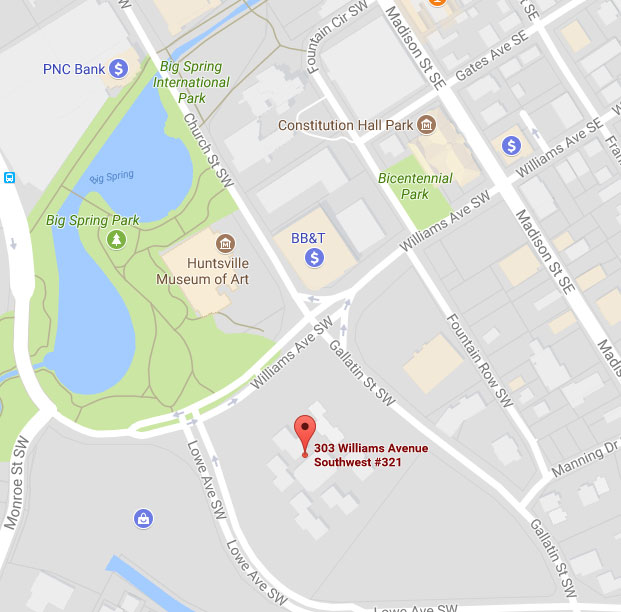
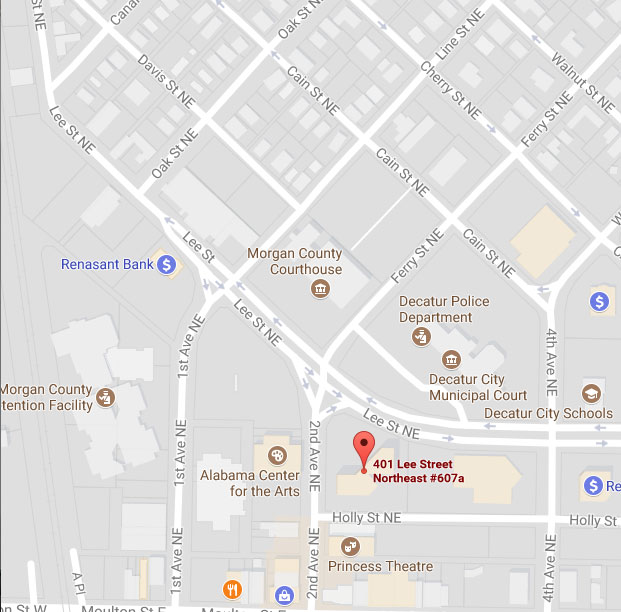
Ferguson & Ferguson can review income, expenses, assets, secured and unsecured debts, prior cases, tax returns and financial goals to determine whether Chapter 7, Chapter 13 or another option may be appropriate. Call the Huntsville office at 256-534-3435 or the Decatur office at 256-350-7200 to schedule a consultation.
Huntsville Bankruptcy Lawyers
Determining your eligibility for bankruptcy is a complicated process. To ensure you are on the right track, speak with our one of our attorneys today. Our lawyers will look at your situation and advise you whether bankruptcy is the best option for you. Call 256-534-3435 to schedule a free consultation. We proudly serve clients throughout Madison, Morgan, Lawrence, Limestone, Cullman and Jackson Counties. We can help.